Pay Attention

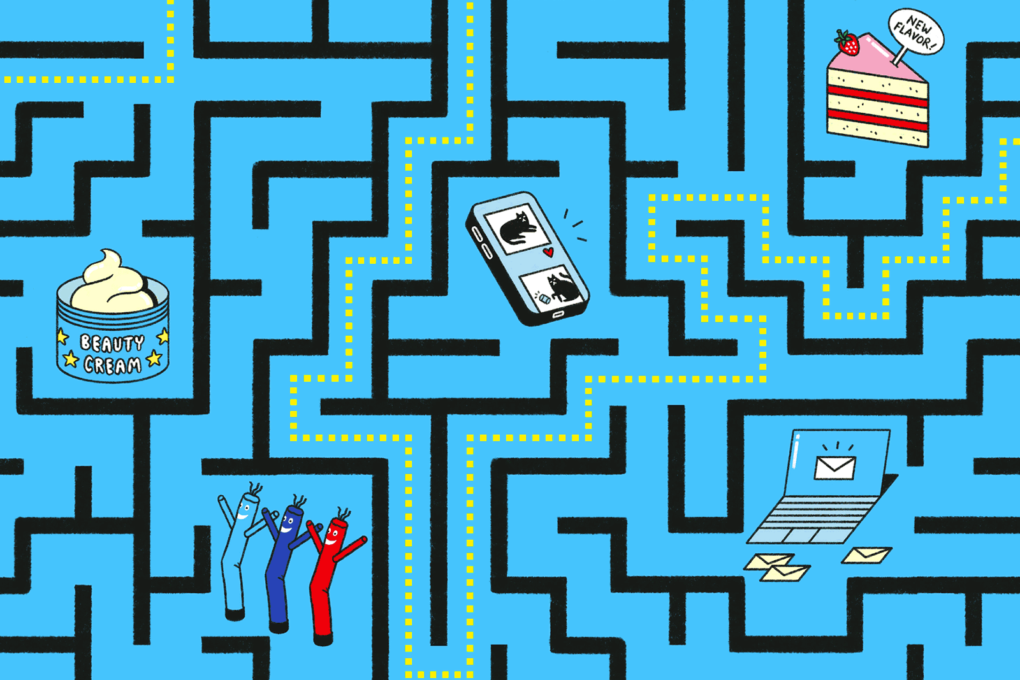
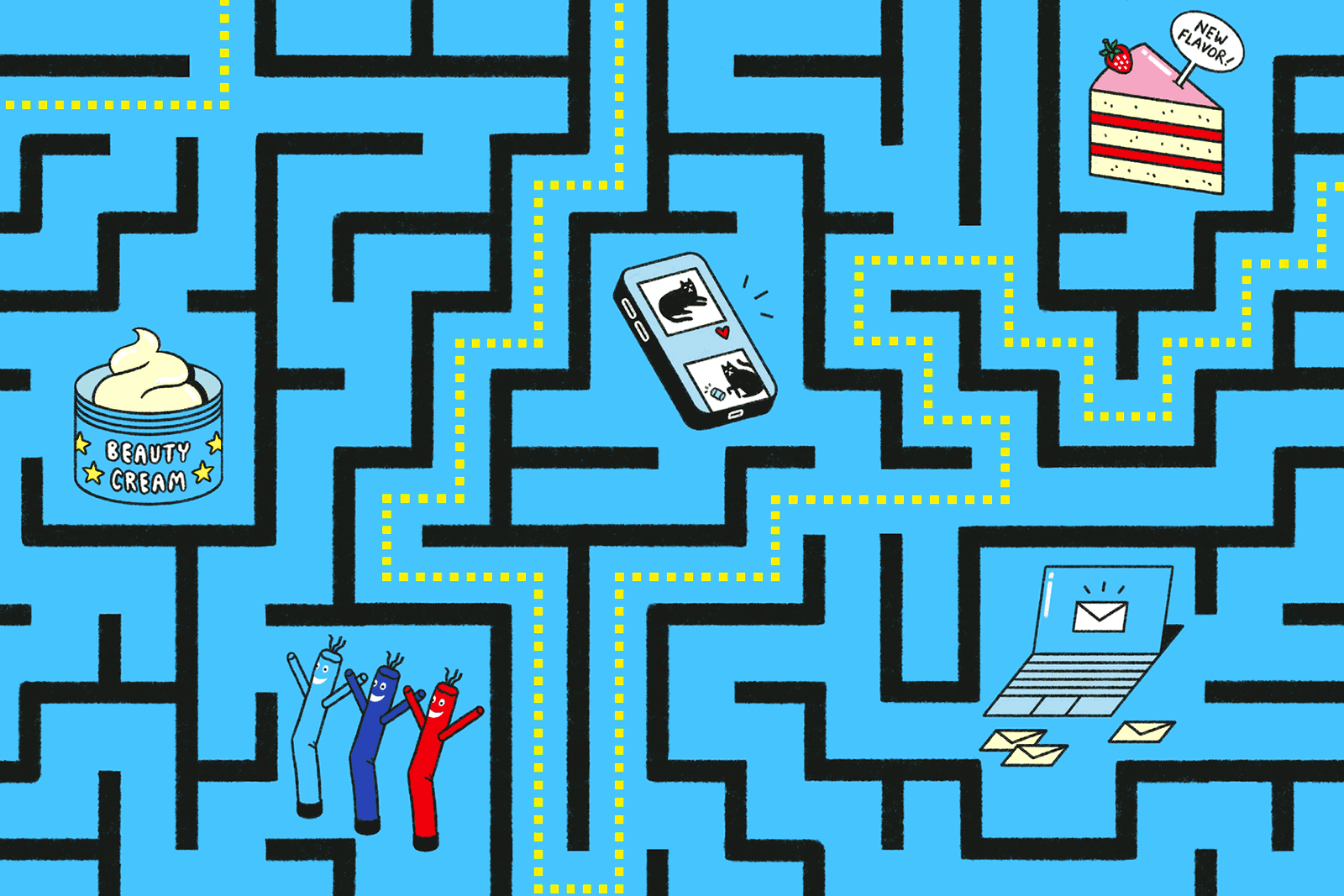
Imagine a winding maze full of twists and turns. To complete it will take focus and an ability to resist the shiny distractions designed to draw you off course. This labyrinth represents the attention economy, and L&S researchers, students and alumni are here to serve as your tour guide. They’ll walk you through the tangled ethics of the attention economy, the science behind your ability to focus
Bridge Builders

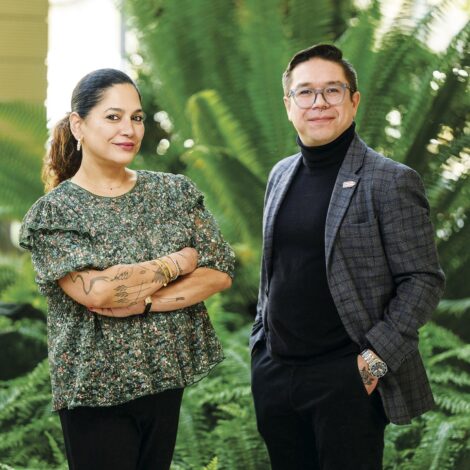
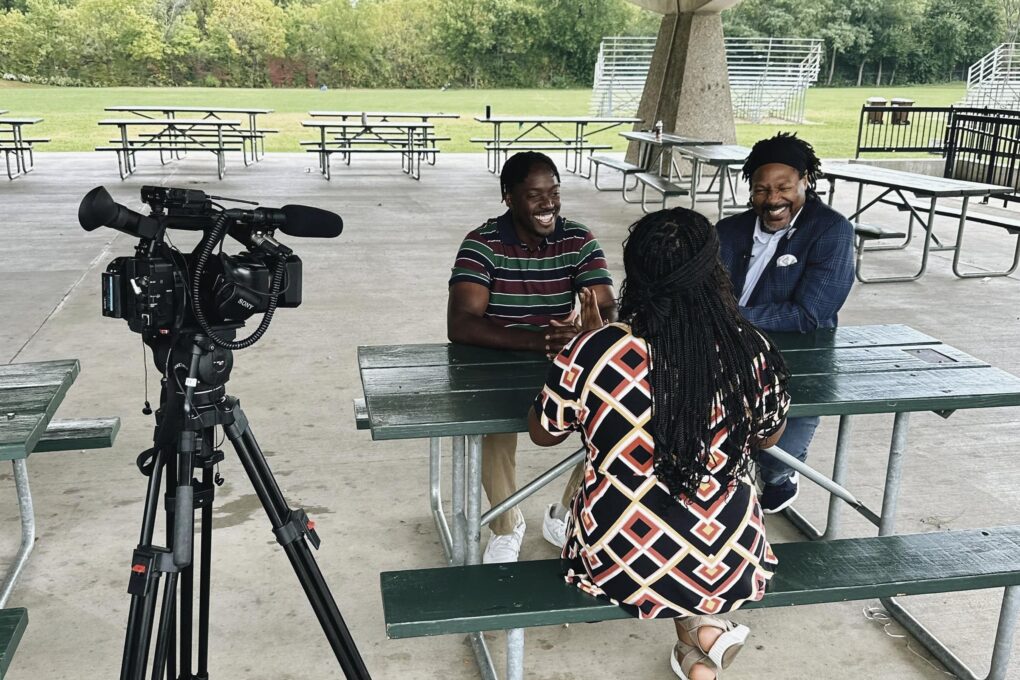
Researchers across the College of Letters & Science are tackling the tough questions of our time. But to get results, they need support. That’s where CRISP comes in. The L&S Collective for Research Impact and Social Partnerships bridges the gap between researchers and the industry, community and government partners who will help fuel the next generation of discoveries.
Green Lights

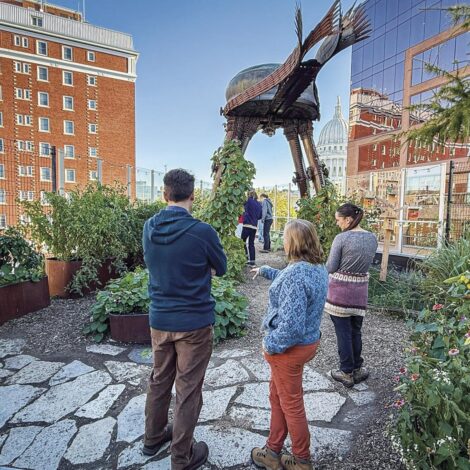
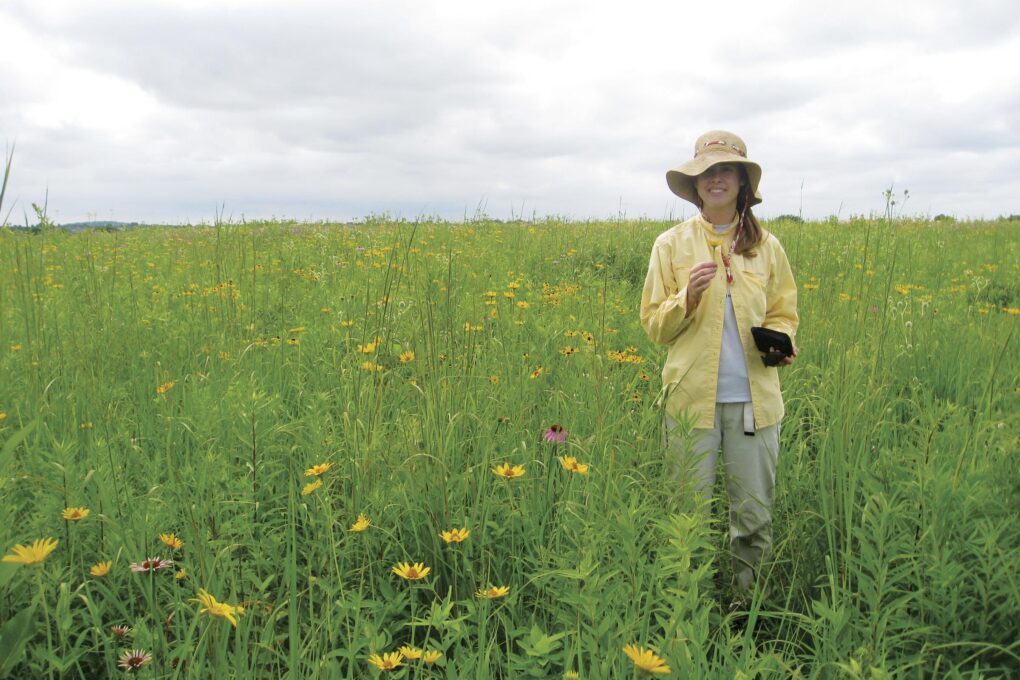
Environmental stewardship comes in many forms. From reporting on thawing permafrost in the Arctic to restoring prairies in Wisconsin to lobbying politicians for change, these L&S alumni are showcasing how to make a difference.
From the Dean
Time to Think

More from the
Spring 2026 issue

Teaching
Let’s Be Civil

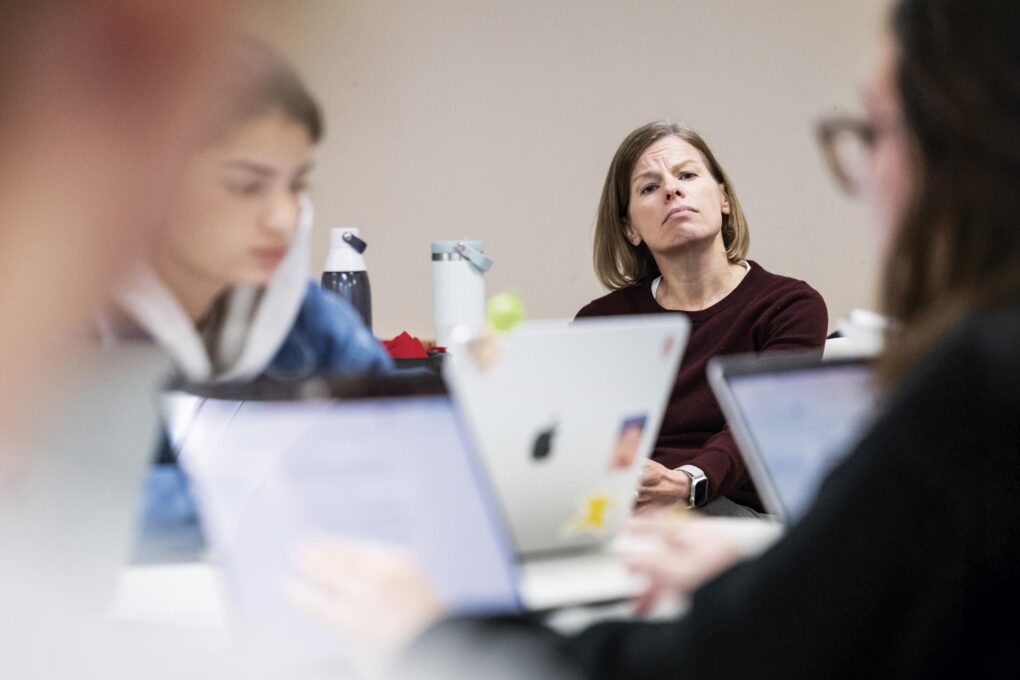
Amber Wichowsky’s class is the anchor of a new undergraduate degree in public policy.

Dialogue
Embracing Uncertainty

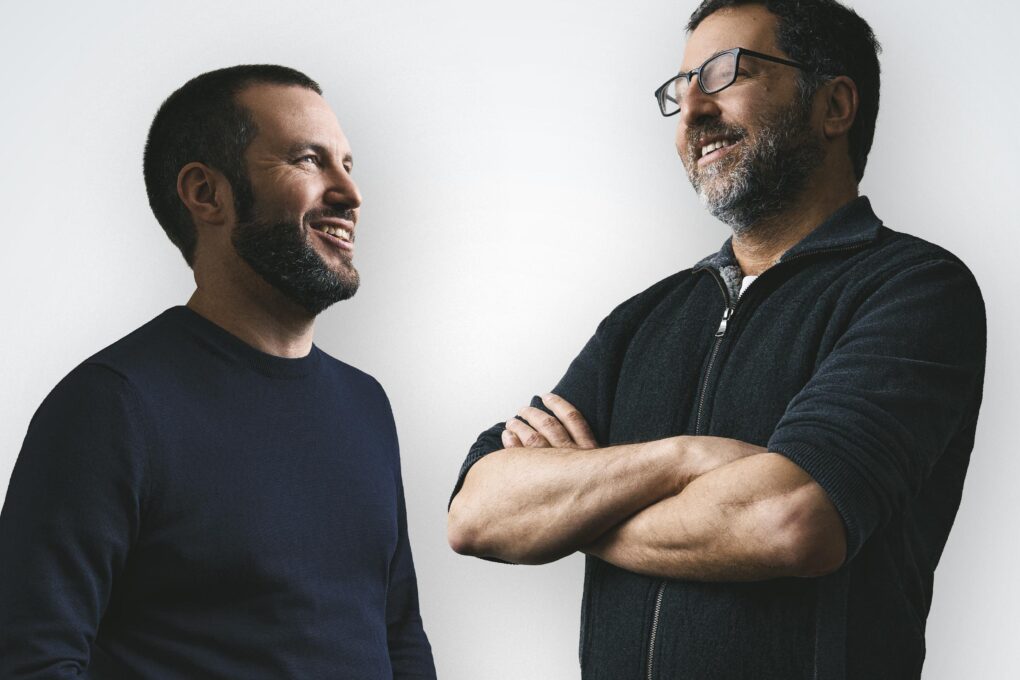
A mathematician and a philosopher walk into a bar … and they debate the concept of uncertainty.

Students
Here, There, Everywhere

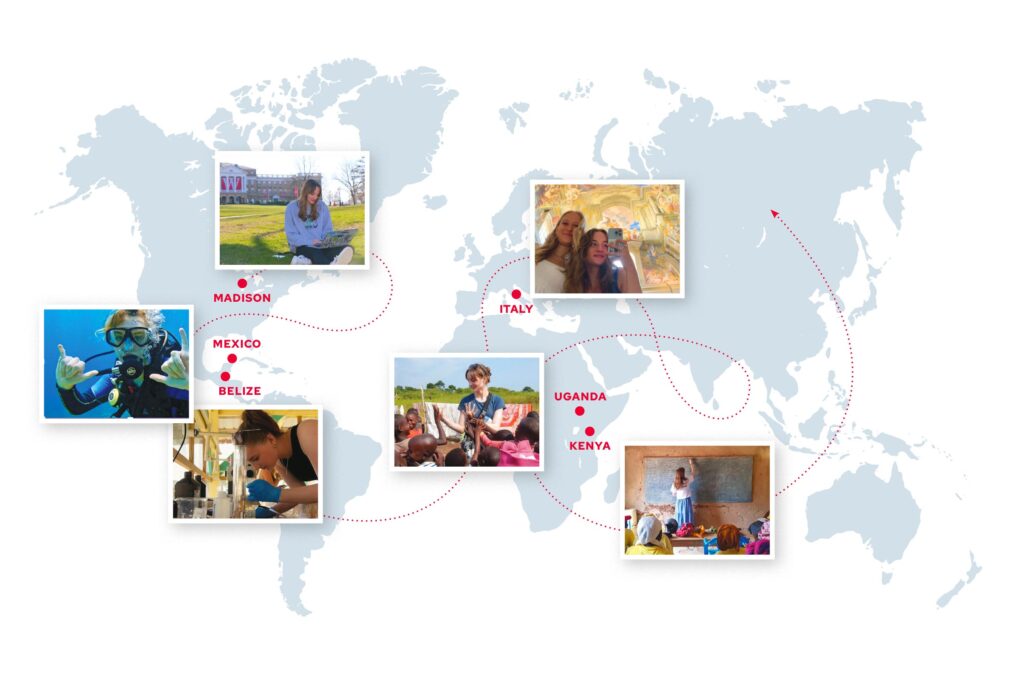
Jess Randall’s collegiate career has taken her around the world, teaching her lessons in and out of the classroom.

Research
Making Waves

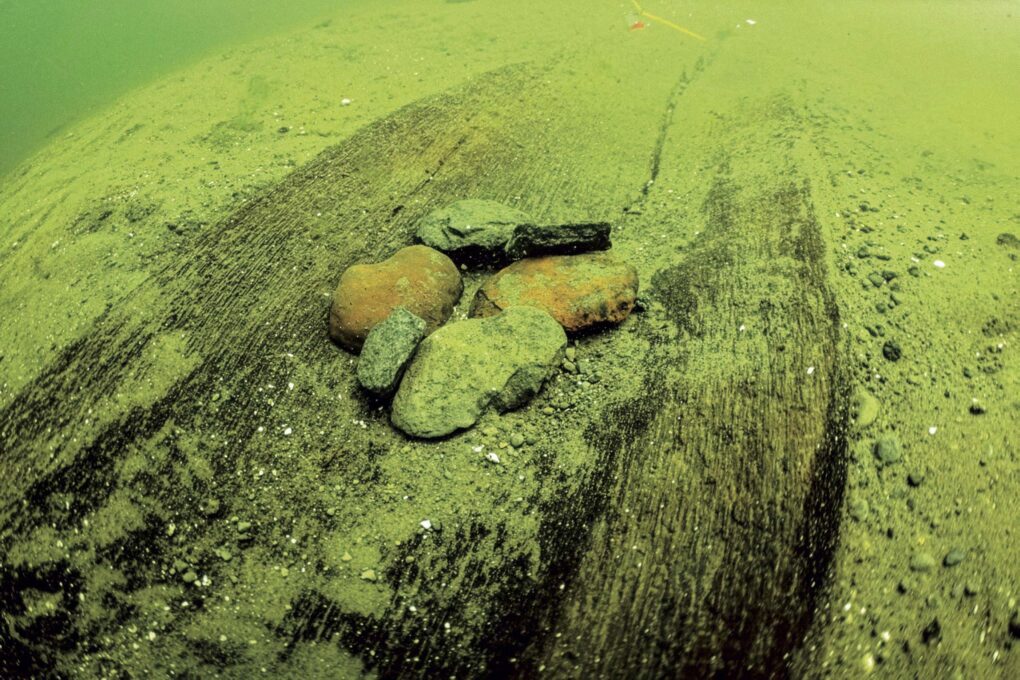
Five years after discovering the first ancient dugout canoe found in Lake Mendota, researchers are now mapping a parking system for boats that are thousands of years old.

Culture
The AI Effect

Through the Center for Humanistic Inquiry into AI and Uncertainty, L&S researchers are answering the tough AI questions.

The Good Neighbor

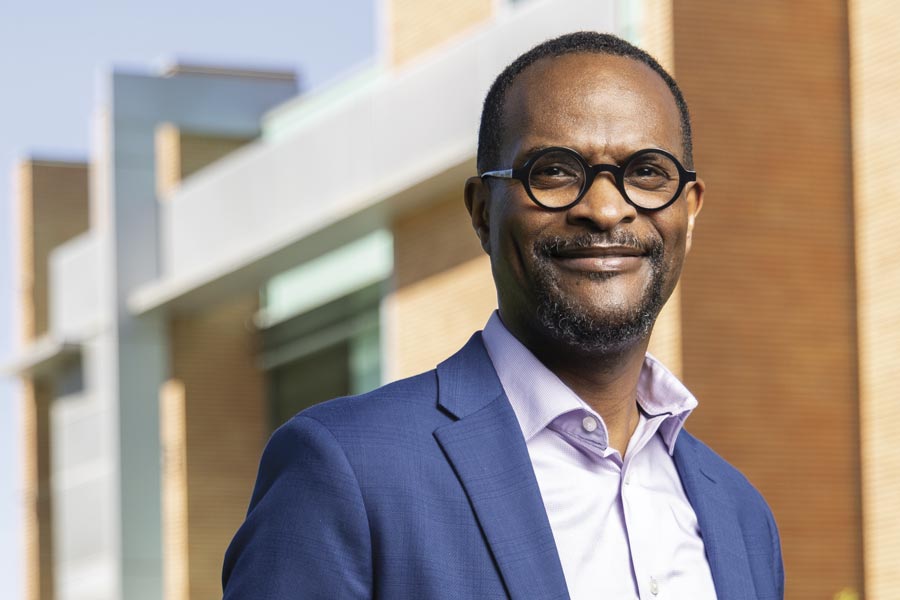
From a sociology degree to the National Academy of Medicine, Mario Sims makes sure community members always have a seat at the table when discussing public health.

By Design

Frank Lloyd Wright and Marshall Erdman were the visionaries who laid the groundwork for Dan Erdman’s career. Now he’s cementing their legacy with a professorship that will support teaching and learning for the next generation of students.

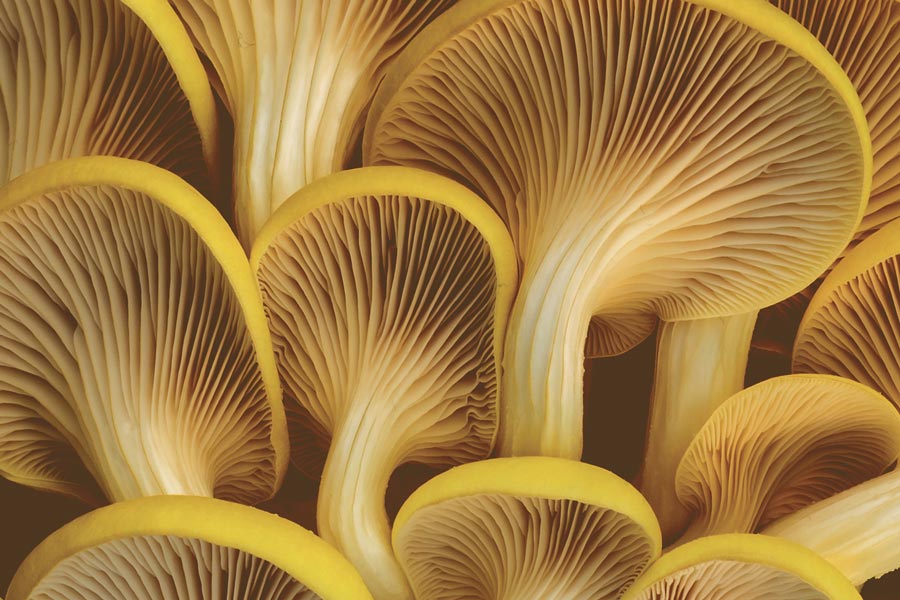
How did these mushrooms escape?

Call it a prison break, because golden oyster mushrooms have managed to wiggle their way out of cultivation captivity and into Midwestern ecosystems. While the escapees are thriving in their new home, the invasion is pushing out native fungal communities.

Atmospheric Pressures

Ángel F. Adames Corraliza underestimated public interest in his research, until the MacArthur Foundation came calling and awarded him the “Genius” grant. Now, he reflects on why and how research gets attention.

Auroras at the IceCube Neutrino Observatory
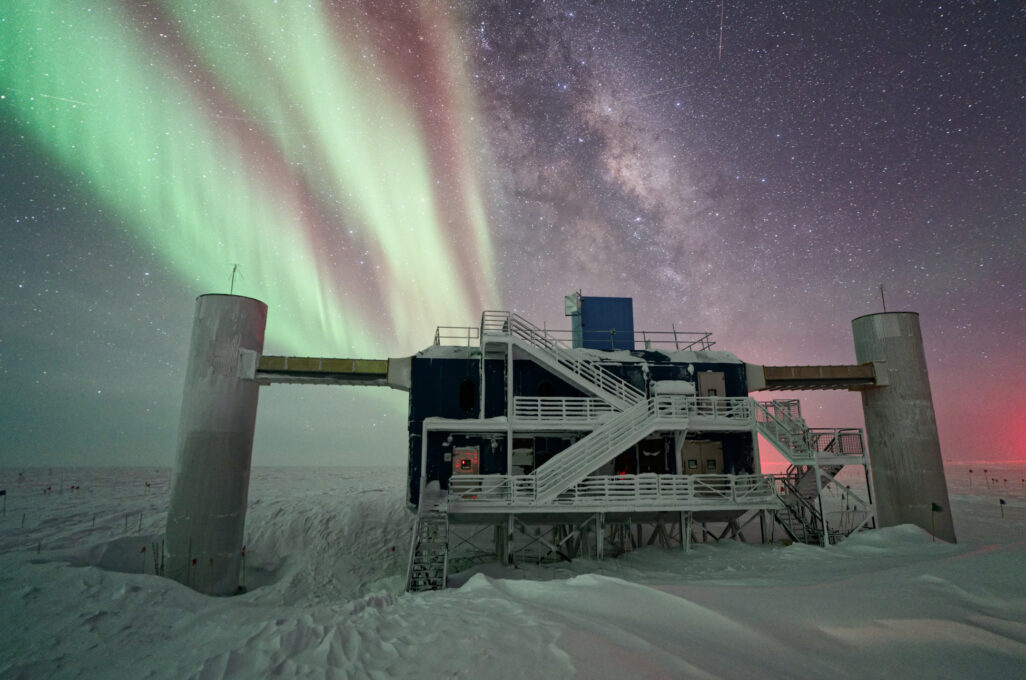
The IceCube Neutrino Observatory is the first detector of its kind, designed to observe the cosmos from deep within the South Pole ice. The research center is operated by UW–Madison and is supported by the U.S. National Science Foundation to collaborate with scientists around the world. A new upgrade at the field site allows more precise measurements of neutrino properties, making it the world’s premier neutrino experiment. “Seeing the refurbished drill come back to life again 15 years after IceCube’s original completion is truly remarkable,” says Albrecht Karle, a professor of physics and principal investigator of the IceCube upgrade. Photo: Ilya Bodo (IceCube / NSF)
Make a Gift Make a Gift

Make a Gift

Your support of the College of Letters & Science Annual Fund has an immediate impact on L&S students, faculty and initiatives.

Subscribe Subscribe

Subscribe

Want to receive your own magazine in the mail and get the latest L&S news sent straight to your inbox? Sign up here.