
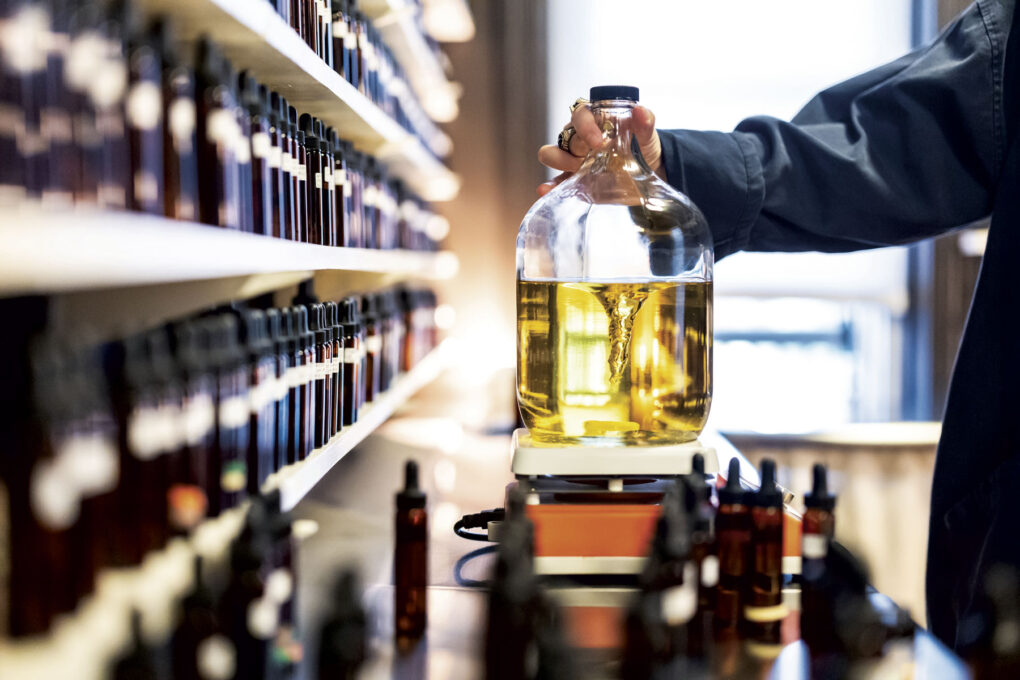
The new Department of Biology brings together the top talent and resources from the former departments of integrative biology and botany — including their incredible collections. When you explore the sun-drenched paths of the Botany Garden and Greenhouse, the bone-filled shelves of the UW Zoological Museum and the taxonomic books at the Wisconsin State Herbarium, you’re face-to-face with collections that open new doors to the study of life. “From sequencing ancient DNA to sorting modern biological informatics to documenting the biodiversity of Earth, bringing these collections together creates a hub where we can tell the biological story,” says Mary Halloran (’83, PhD’94), chair and professor for the Department of Biology.
A Budding Genus
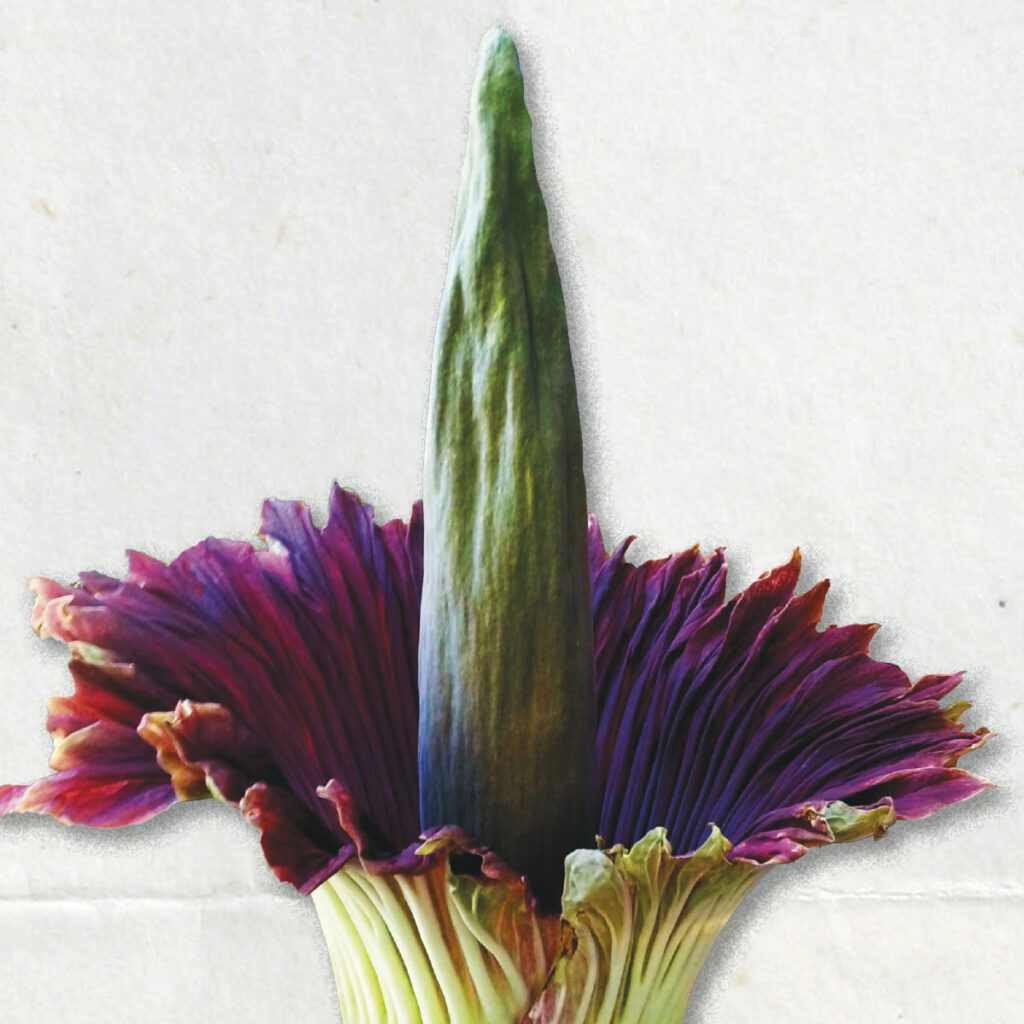
When Big Bucky first bloomed in 2001, 30,000 people flocked to the greenhouse to see (and smell!) the giant corpse flower. After reaching maturity, the inflorescence (a cluster of flowers) blooms only once every three to seven years and is open for just a few days. Big Bucky has bloomed three times since then. After its last flower in 2012, the botanists divided it to create a second plant named Bucky Jr. It’s not clear if or when either plant will bloom, but they remain a main attraction in the greenhouse.
Raising the Dead
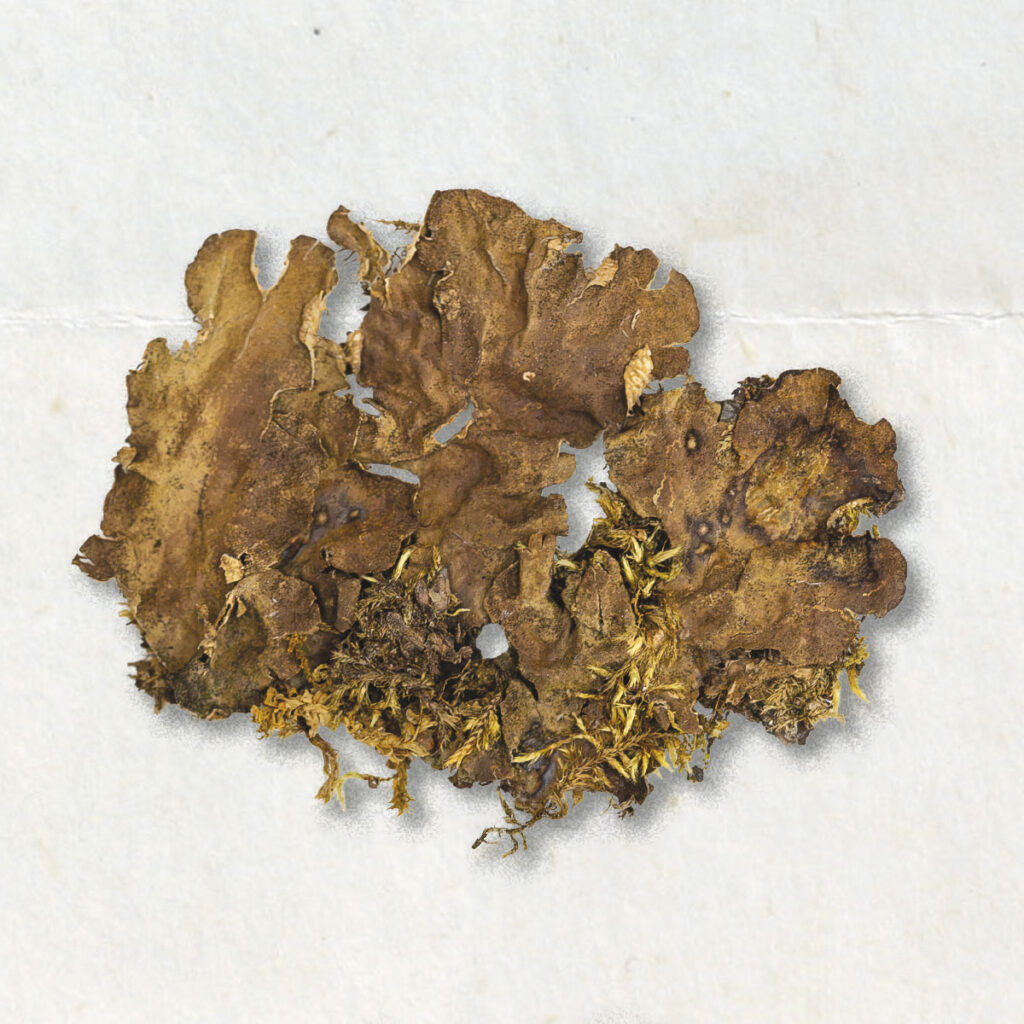
There’s a fundamental question at the center of biological research: Where is the line between dormancy and death? That’s at the heart of a research project in the lab of Kate McCulloh, the Rebecca Blank Professor of Botany. Undergraduate junior Amy Dougherty started experimenting with the Herbarium’s collection of thousands of lichens — some of which have been preserved for decades. She wanted to see if she could rehydrate and metabolically reactivate them, effectively bringing functionally “dead” lichen back to life. It turns out she could raise the dead, opening up a world of cutting-edge ecophysiology research.
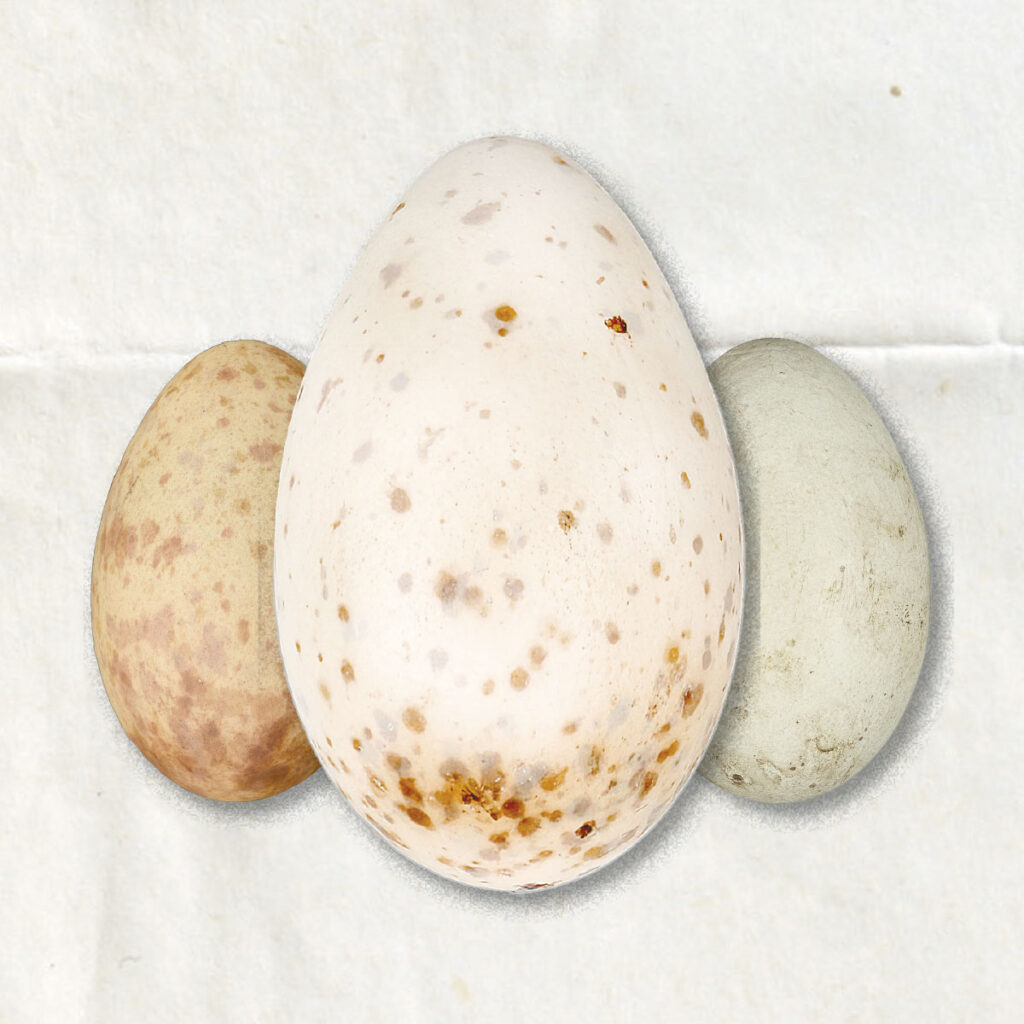
It’s a Bird, It’s a Crane
Out of all 15 species of cranes, 10 are vulnerable or endangered. That’s top of mind for the scientists at the UW Zoological Museum, who recently achieved complete representation of all 15 species in their egg collection thanks to a partnership with the International Crane Foundation. These eggs are part of a critical repository for specimens — including fossils, fluids and taxidermy — of endangered species used in research, teaching and outreach. If you see the eggs on display, they’re likely not the real things. The museum has 3D scanning and printing equipment to duplicate fragile specimens, which are then painted for a realistic look.
Friends of the Collections
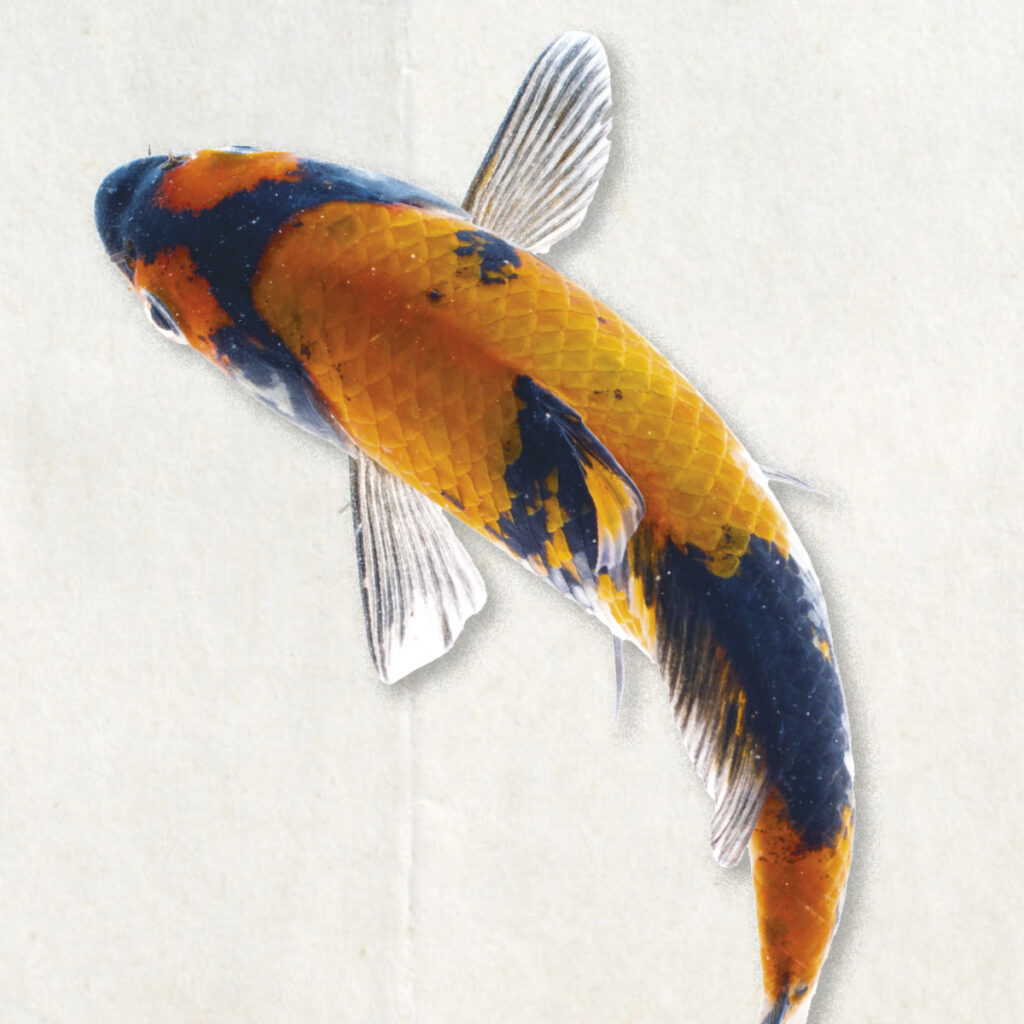
Fish Fry
Every good garden has a pond. And the Botany Garden and Greenhouse have two — one in the garden, one in the greenhouse. While the pond is a beloved spot to sit and relax for students, it’s a proper home for koi, some more than 30 years old. As bottom feeders, these fish play a critical role in the nutrient cycle of their ponds. They also earn their own keep. Each year they produce hundreds of babies, known as fry, which are traded for store credit at a local pond shop that provides food and pond maintenance supplies.
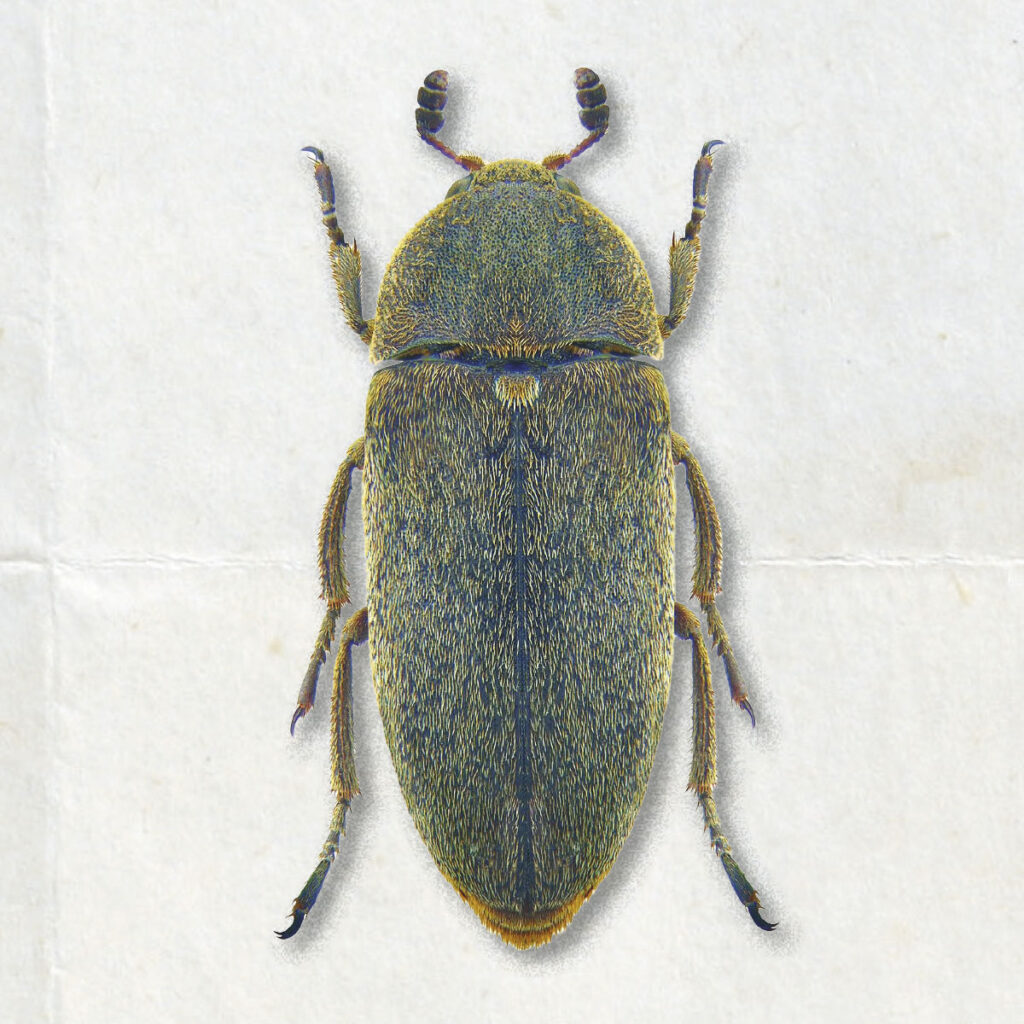
Skeleton Crew
The UW Zoological Museum is full of bones, old and new, but have you ever wondered who cleans them? The answer is a crew of flesh-eating beetles who live in a secret chamber beneath Bascom Hill called the Dermestarium. People like John Stuhler (’11, MS’15), curator of mammals and birds, drop off flesh-covered skeletons to the dermestid beetles, who see the extras as a delicious snack. A few days or weeks later, depending on the size, the bones are ready for one last round of cleaning and preparation before they can be catalogued.