
Science Brought to Life
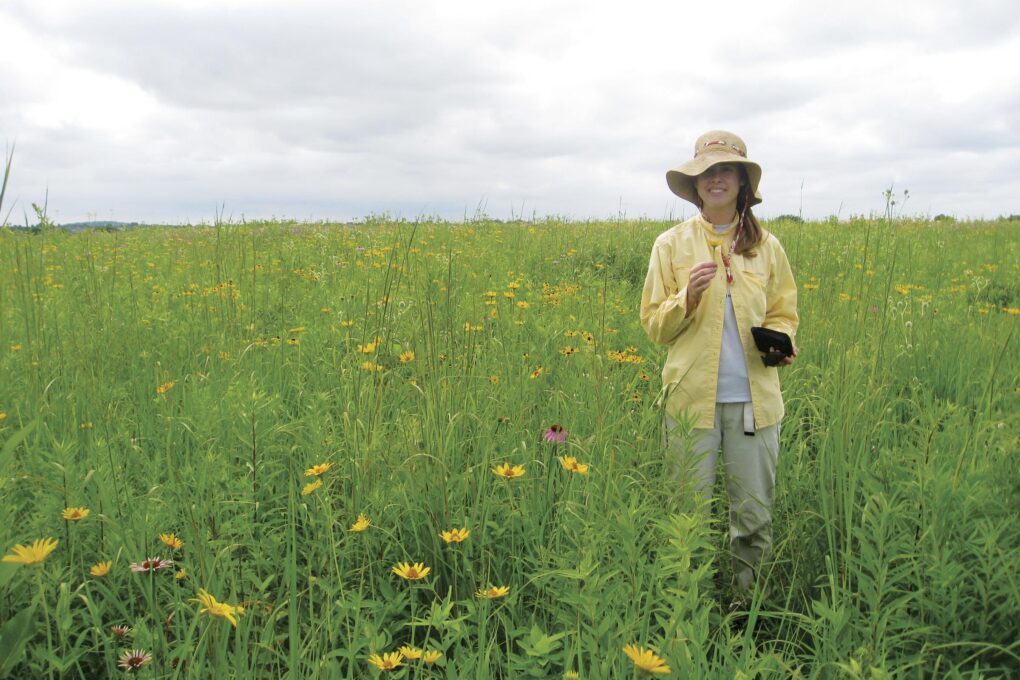
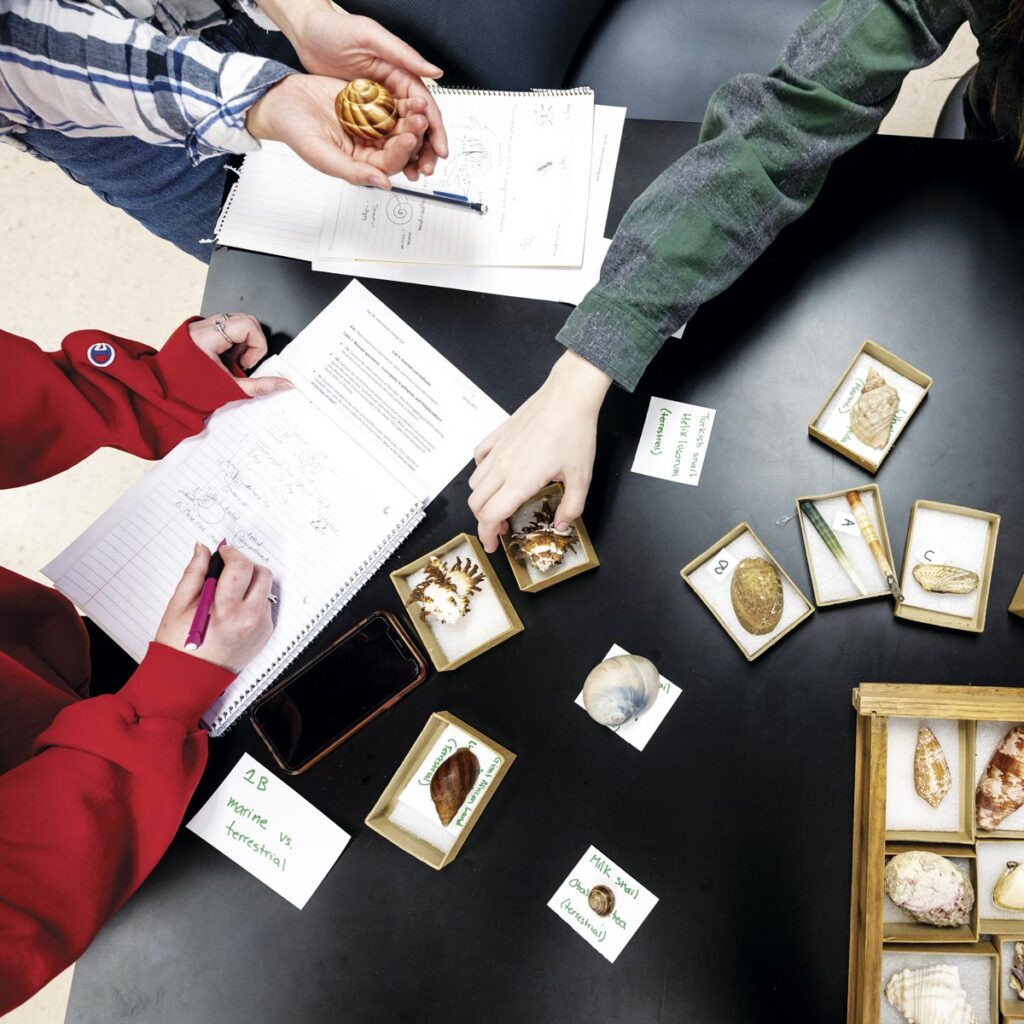
Water, plants, animals and humans — they’re all essential to the study of life on our planet. That’s why the University of Wisconsin–Madison is entering an exciting new era of researching, teaching and expanding the biological sciences by launching the new Department of Biology within the College of Letters & Science. The new department will represent the combined efforts and talents of the current integrative biology and botany departments and the Wisconsin State Herbarium, Botany Garden and Greenhouse, UW Zoological Museum, and an upcoming Center for Botany.
“Modern biology is highly collaborative and interdisciplinary, and it’s really communications between scientists from diverse disciplines that drive scientific discovery,” says Mary Halloran, a professor and chair for the current Department of Integrative Biology. “We are stewards of our planet’s biodiversity, and by forming a new Department of Biology, we celebrate our mission and honor our commitment to finding a better future for all life on Earth,” adds Anne Pringle, chair of the current Department of Botany, L&S Mary Herman Rubinstein Professor and Vilas Distinguished Achievement Professor of Botany.
Both botany and integrative biology have a long history of research and discovery at UW–Madison. Examples range from limnologists working to understand and protect Wisconsin’s freshwater resources, to conservation biologists fighting extinction by freezing cryogenic-quality samples of endangered species, to botanists working with NASA to send tomatoes into space. Launching this new department is just the beginning. The goal is to build a physical hub for the biological sciences on campus, where scientists can come together to enhance teaching, learning, research and more.
The people who are really going to be doing science on the moon and building those observatories on the moon are the people who are the undergraduates and the grad students right now.
That’s the number of seats in Irving & Dorothy Levy Hall, which will open its doors this summer. The new hub for the humanities and the descriptive social sciences will house eight L&S academic units.
Know the Archipelago
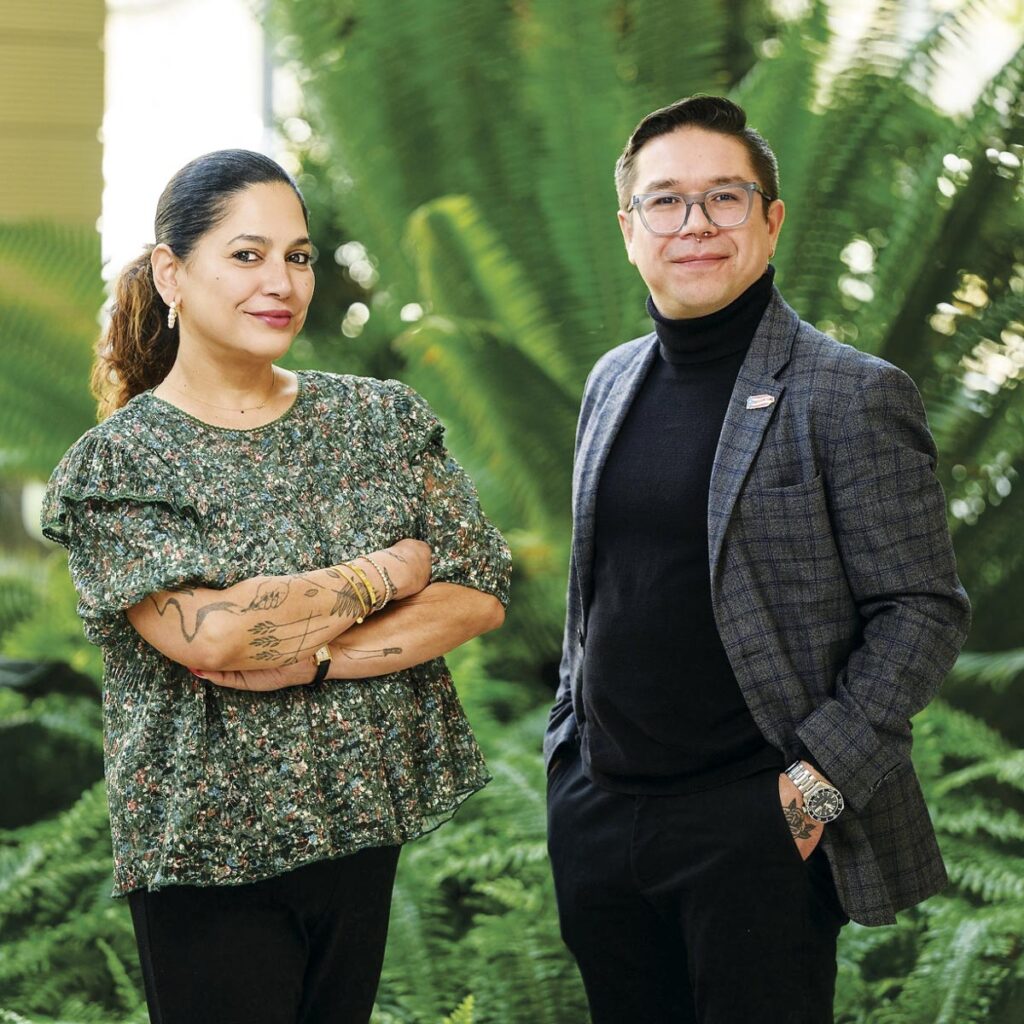
The new Puerto Rican Studies Hub is the first of its kind in the Midwest. L&S professors Aurora Santiago Ortiz (assistant professor of gender and women’s studies and Chicanx/e and Latinx/e studies) and Jorell Meléndez-Badillo (associate history professor) led the effort to get the research center started with support from a $3 million grant from the Andrew W. Mellon Foundation. “We firmly believe in the field of Puerto Rican studies,” says Santiago Ortiz. “We’re also seeing an extension of the Wisconsin Idea, which is accumulating knowledge in service of the broader community outside of the University,” Meléndez-Badillo adds.
Going Places
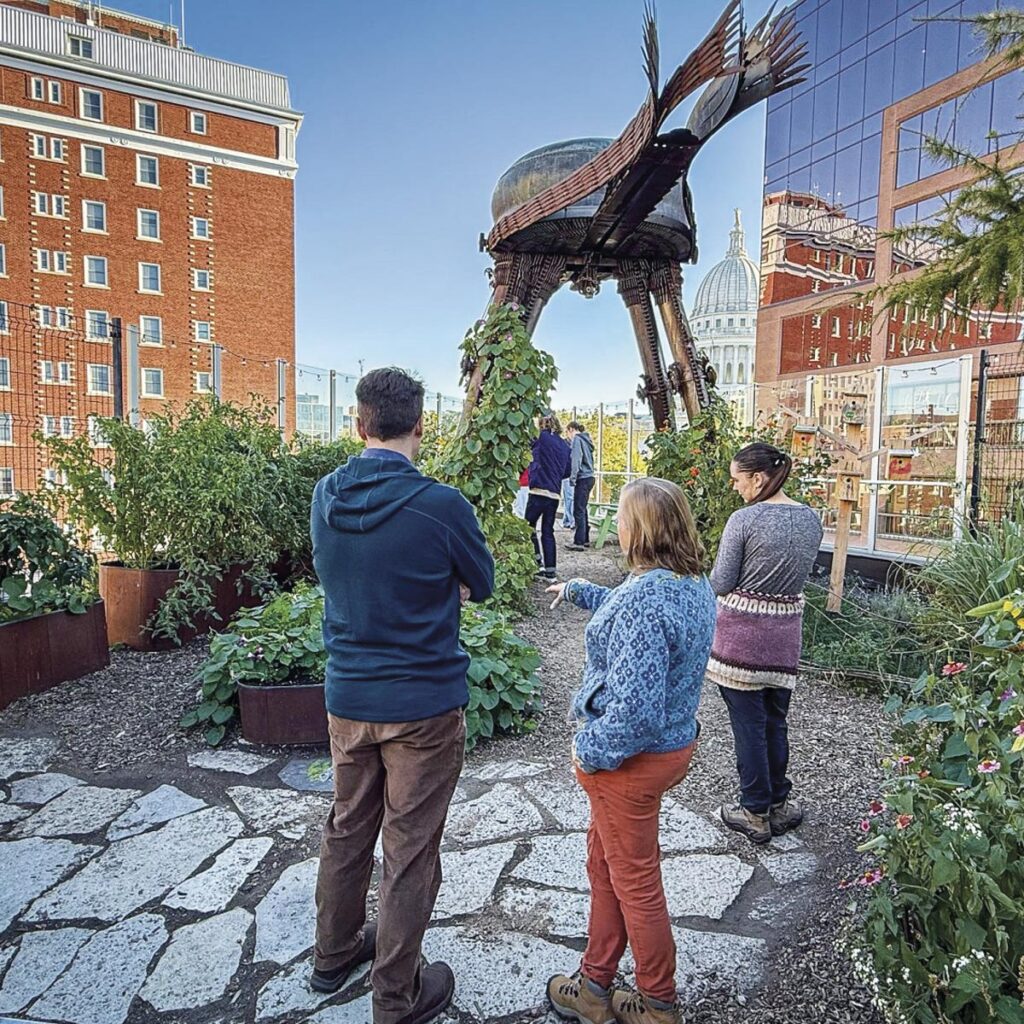
For the “Mindfulness in Restorative Environments” course offered through the Department of Planning and Landscape Architecture, Nathan Larson (’95, MS’05) takes his students around town for hands-on experiences. The class is all about affecting positive change through the planning and design process. Visiting locations that do this work well, including the Troy Kids’ Garden and the Madison Children’s Museum, showcases why the extra effort matters. On a visit to the Allen Centennial Garden, Larson instructed his students to work together to create a floral art installation, passing on the lesson that this work is meant to be creative and collaborative. “We need restorative environments because they promote health and well-being,” Larson says. “They’re incredibly valuable places, and there’s a scarcity of them.”
Tag along with the class at go.wisc.edu/goingplaces373.