
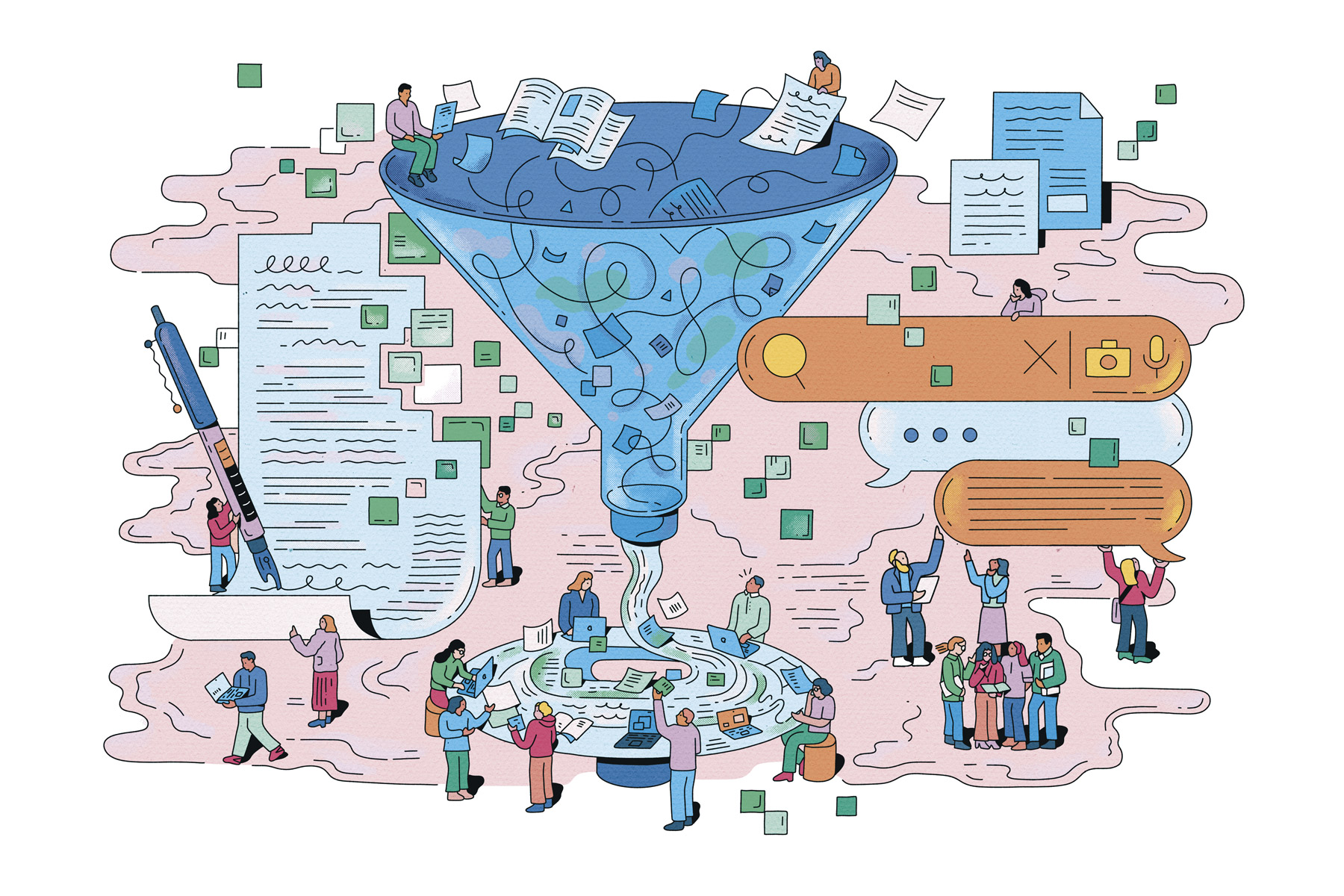
I’ve been on a listening tour these last several months. I stepped into the role of Interim Dean for the College of Letters & Science in May at a dynamic time for educators. Our community is humming with curiosity and concern about how artificial intelligence is changing teaching, learning, research and day-to-day campus life. This is evidenced by the fact that when I sent out a survey asking for insight on the subject, I received more than 200 responses from L&S alumni with graduation years ranging from the ’50s to the 2020s.
This show of passion and care for the future of a liberal arts and sciences education was both moving and informative, as I also serve as the co-chair for UW–Madison’s AI Readiness and Competency working group. Our goal is to come up with campus-wide principles identifying how UW–Madison should move forward in a world with AI. We are also charged with drafting common knowledge and skill goals — statements about what we want everyone to understand about this technology. The work is ongoing, but we’re guided by principles that reflect the inherent curiosity, humility, integrity, tenacity, civility, complexity and connective nature of our community. In other words, we’re approaching AI the Badger Way.
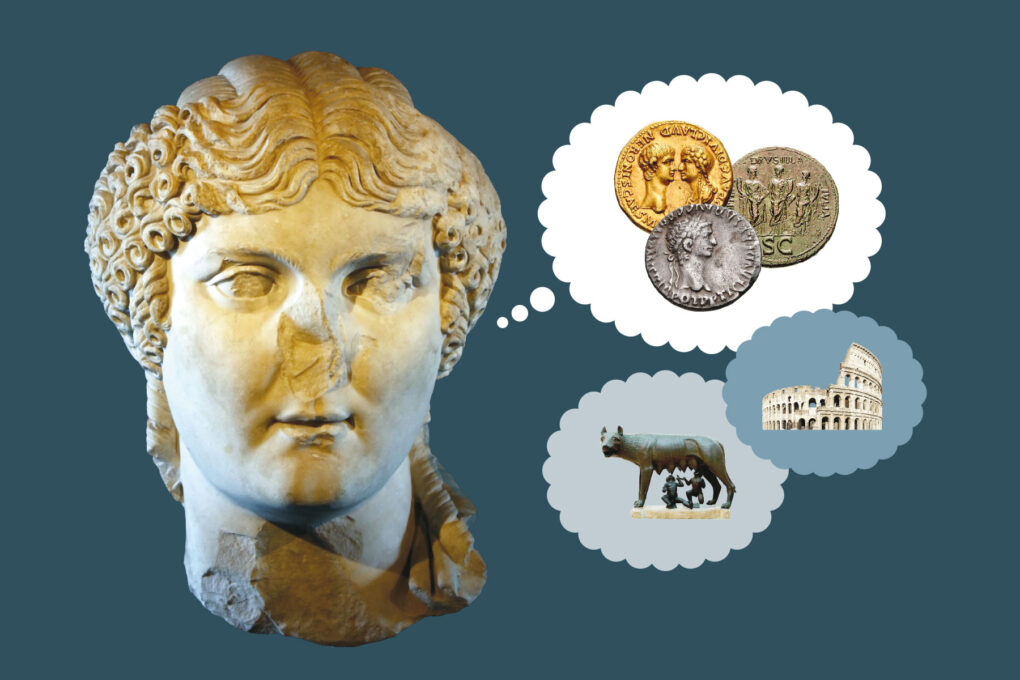
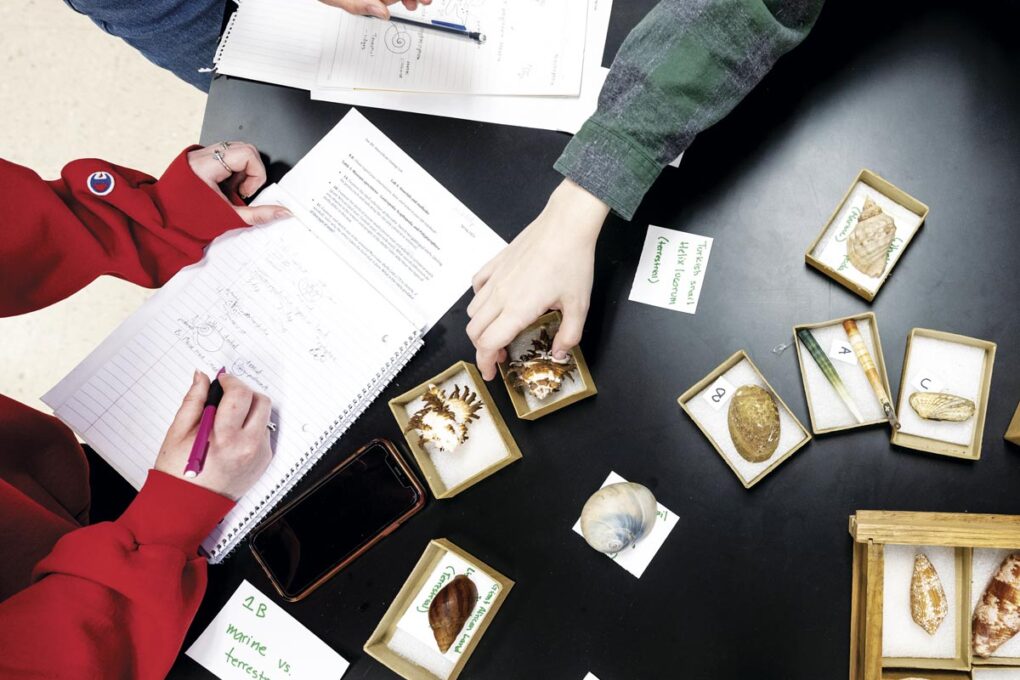
What I heard in your responses is that there is significant concern about the impact of AI on teaching and learning. I want to assure you that instructors have been adapting their pedagogical techniques with each rollout of new AI tools. Some instructors have returned to time-tested practices like the blue book to evaluate their students’ knowledge — I’m told orders were up last semester! At the same time, we also have professors who are using AI in transformative ways that enhance the classroom experience. I checked in with the AI Teaching Fellows and the Center for AI and Uncertainty Fellows, and I learned that one professor used the tools to create pedagogical games while another converted lecture notes into a fully accessible format. Faculty are also integrating AI into their courses as a subject of inquiry and debate. For example, there’s an English class in which students explore how AI affects the creative processes of human writing and a history class that explores the long view of AI and its underlying ideas from 1650 to the present. Faculty are meeting regularly in departments and workshops to discuss their discoveries, problem-solve against disruptions and exchange ideas. For many of them, the goal is to empower students to be able to use these tools in ways that enhance their expertise, not replace it.
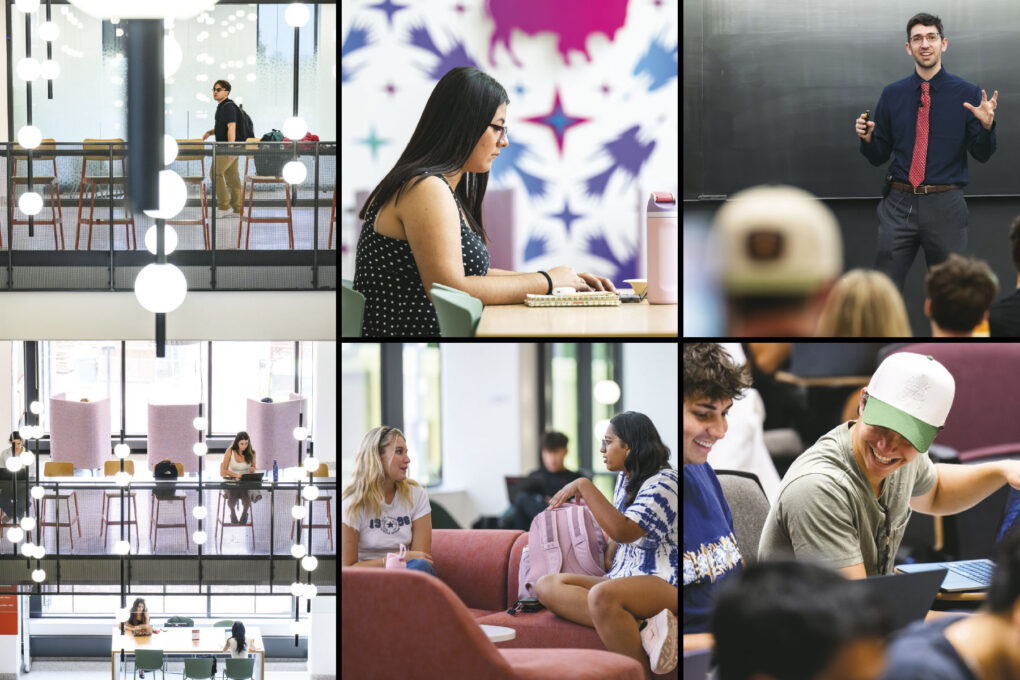
Students have been adapting, too. In talking with leaders at the Writing Center, housed within our Department of English, I’ve learned there’s been an increase in engagement from students who seem to have a renewed interest in working with humans. The center doesn’t have policies around use — instead they adapt to instructors’ parameters and meet students where they are, whether they’re starting with a blank document or a generated rough draft. With help from their advisors, students work to write, edit and rewrite, developing ideas and finding their own authentic voices. Students appreciate developing their critical thinking through this process.
Right now, we are paving the Badger Way. To do that, we need to nurture curiosity, encouraging professors to be experimental in the ways that they embrace or restrict AI in their classrooms. We must remember humility — that there will be successes and failures, and we can learn from both. And then there’s complexity, and the reality that while there is opportunity, there is also genuine concern about AI’s societal impact. We will not be passive consumers of these tools, and we will continue to train our students to fearlessly sift and winnow — that is, to be brave in their pursuit of knowledge. It’s embracing these qualities that will push us, and society, forward. Perhaps the best way to sum up the spirit of how we will continue is with one of your thoughtful survey responses: “L&S needs to do what it has always done — teach us how to adapt.” I assure you, that is exactly our plan.