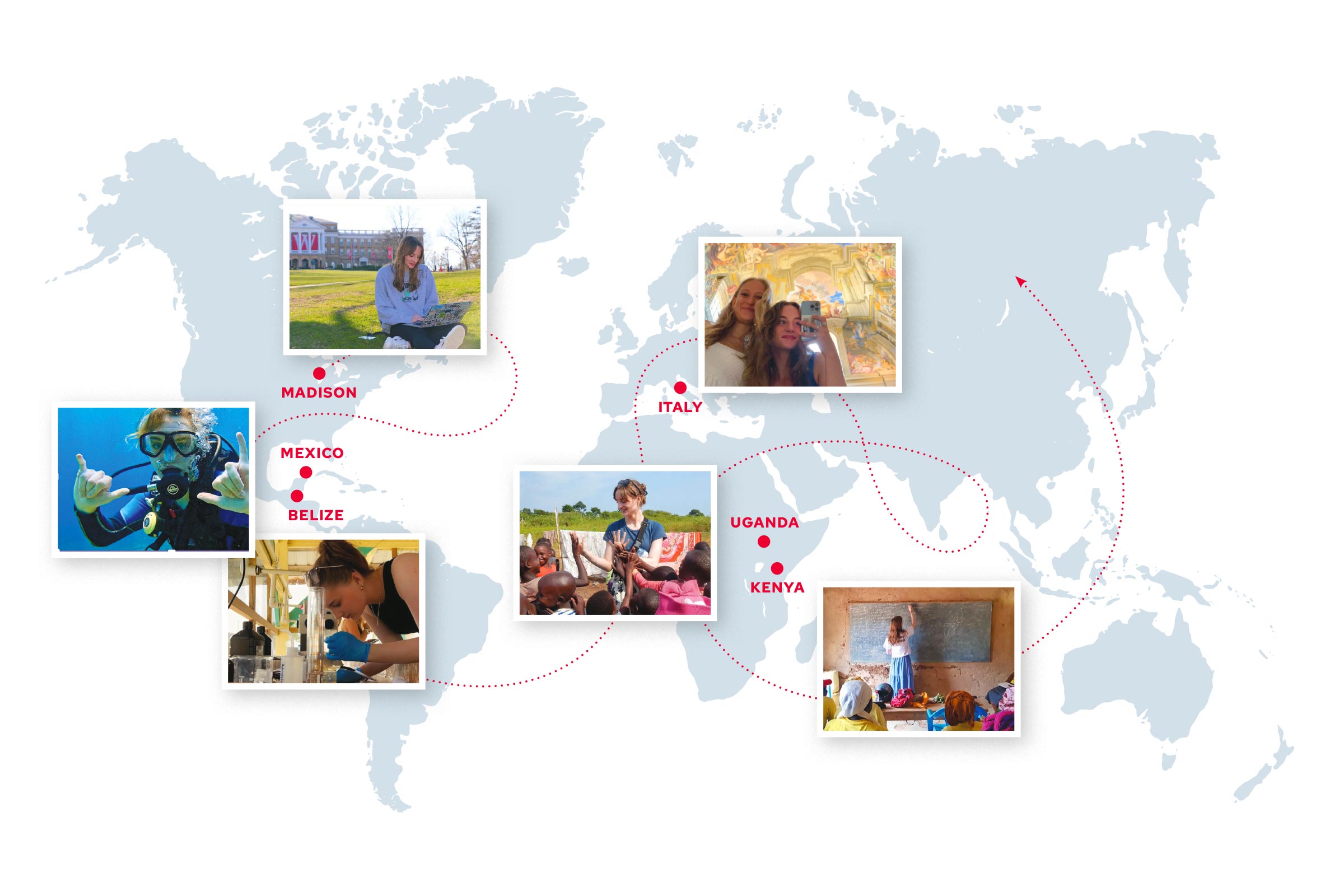
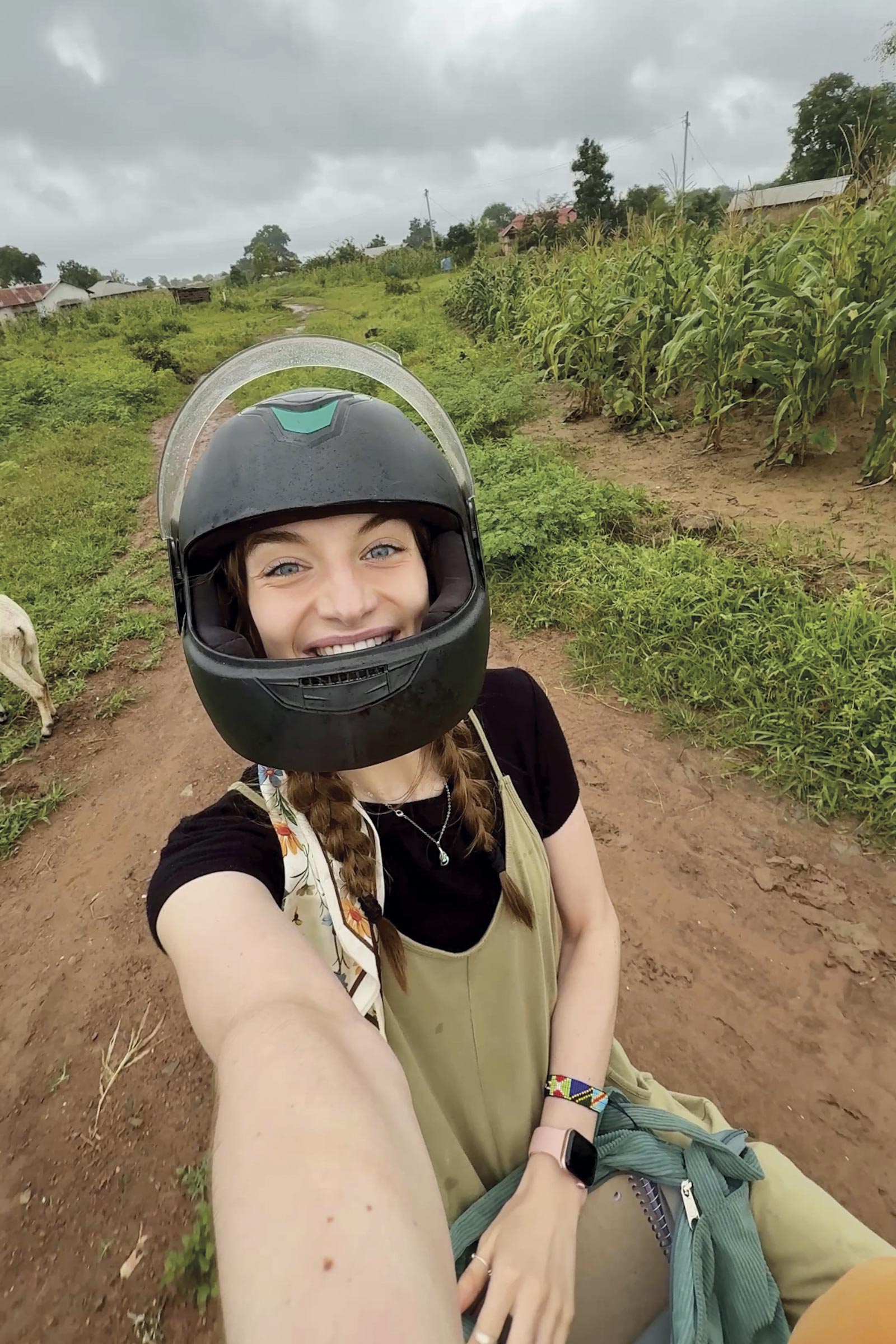
For most undergraduates, a UW–Madison education means climbing Bascom Hill, trying to get to lecture on time, and getting lost in the Humanities Building. It does not mean scuba diving in coral reefs, giving presentations in Italian art galleries, and riding a motorbike through rural Kenya.
But that is the UW–Madison experience that senior Jess Randall has come to know.
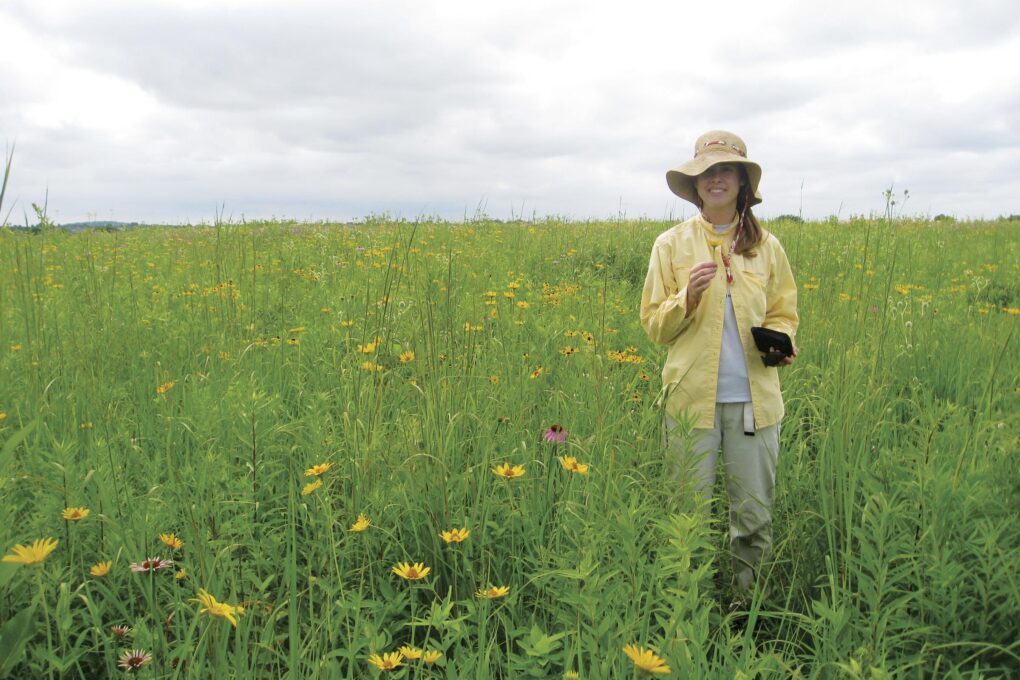
Majoring in biology and global health in the L&S Honors Program and earning certificates in environmental studies, gender and women’s studies, and leadership, Randall has used her time at UW–Madison to take advantage of extensive international opportunities. So far, she has traveled to 24 countries, participated in three study abroad programs and interned in Kenya.
The first opportunity came through her First-Year Interest Group (FIG). It was the chance to spend the summer studying coral reefs in Belize. Randall jumped at the idea and hasn’t stopped moving since.
“I realized when I was in Belize that, as a person who goes to UW, I have access to opportunities,” says Randall. “Before, I just thought that was something that happens in the movies or that only other people could do. But no, we have so many resources here. That really opened my eyes and made me realize that I could go out and experience the world.”
She later spent a summer in Italy, where she immersed herself in the culture of Rome. This was juxtaposed with lessons about the impact of climate change on Italian cuisine. She had a similar experience in Uganda, where her trips through the country’s national parks were interspersed between meetings with local healthcare providers and community members who taught her about their practices and challenges.
It’s hardly surprising that Randall has chosen to tackle so many adventures. Her friends are familiar with her signature catchphrase — “Everything is figure-out-able!” — and it informs the ultimate theme of Randall’s stories: the ability to find joy in her travels without losing sight of the important lessons they teach her.
The perspective shifts that she has experienced from being immersed in new corners of the world, particularly in regard to healthcare, have both altered her career plans and forced her to reckon with an entirely new worldview.
“Seeing so many structural inequalities really informs the way that I see different issues, and it’s drawn me further away from just individual patient care toward population-level global health,” she explains.
These structural inequities were made most apparent to Randall on her trip this past summer to rural Kenya. The aspiring doctor spent eight weeks working as a community health outreach intern with the Nikumbuke Project, a women-led grassroots community health NGO. During this time, she was hospitalized with malaria, hookworm and severe dehydration.
As grateful as she was to have gotten care at a hospital in Kenya, she looks back on the experience with frustration.
“I have this almost painful awareness that what I received is out of reach for so many people who were living right down the street from me,” says Randall. “Most don’t have the option of going to the hospital. And me, the mzungu [Swahili for foreigner], I was taken straight there. Millions of people die from malaria, and it’s not because it’s untreatable or unpreventable. It’s because globally, we haven’t prioritized the lives of the people it impacts most.”
Experiences like this have changed the way she approaches problem-solving, leadership and research by deepening her understanding of privilege.
“You have to ask, ‘Who was included in the data? Who wasn’t? Where did the funding come from?’” she says. “It’s so important to include local voices, because a lot of times we come in from the outside and perpetuate this very real Western savior idea.”
As a person who goes to UW, I have access to opportunities. Before, I just thought that was something that happens in the movies or that only other people could do. But no, we have so many resources here. That really opened my eyes and made me realize that I could go out and experience the world.
When she’s home, Randall uses these ideas to inform her actions. Her list of on-campus endeavors includes leadership in multiple healthcare initiatives, being a member of Hoofer Scuba Club and being an L&S Dean’s Ambassador. Her most recent project involves building a support network for students returning from study abroad, who are often left alone to battle reverse culture shock and sometimes mental health issues like Post-Traumatic Stress Disorder (PTSD).
Moving forward, she hopes to approach local and global problems as an active listener who helps fill the gaps identified by affected communities and uplift local leaders, rather than simply “exporting solutions.” Randall’s travels have left her with the self-motivation to never stop problem-solving and the self-awareness to know she can’t do it alone. She urges others to figure out how they can use their status to help others, too.
For Randall, the true impact of her travels is not the places themselves, but the perspectives they’ve given her. With each experience, she has become more aware of the systems shaping health, access and opportunity — and of the responsibility that comes with having the chance to experience them firsthand.
“If you have a privilege or an opportunity that other people might not have, you should pursue it,” she says. “Then you can share that experience and that work.”